 |
|||
 |
 |
||
 |
 |
 |
|---|---|---|
 |
 |
|
 |
 |
 |
 |
 |
 |
|---|
 |
 |
 |
|---|---|---|
 |
||
 |
 |
|---|---|
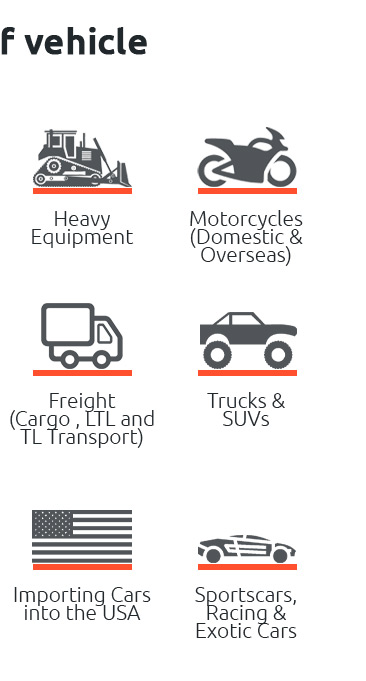
motorcycle transport and logistics explained for riders and dealersPlanning the journeyMoving a bike safely starts with accurate measurements, route research, and clear timelines. Whether the machine is a daily commuter or a classic collectible, planners weigh distance, weather windows, and pickup and delivery constraints. A well-built schedule reduces idle time and limits risk. Packaging and protectionProfessionals use wheel chocks, soft ties, and crate systems to stop flex and vibration. Fuel levels are lowered, batteries isolated, and fragile parts padded so components arrive aligned and ready to ride. Documentation travels with the machine, including photos and condition notes. Modes and handoffsFrom enclosed vans to consolidated freight, choices balance cost, speed, and exposure. Door-to-door moves cut handling, while terminal options can trim price. Transparent handoffs keep custody clear and make claims rare. Things to consider
With the right plan, motorcycle transport and logistics turns complex steps into a smooth handoff, delivering confidence along with the bike.
|
|---|
